
July 16, 2026
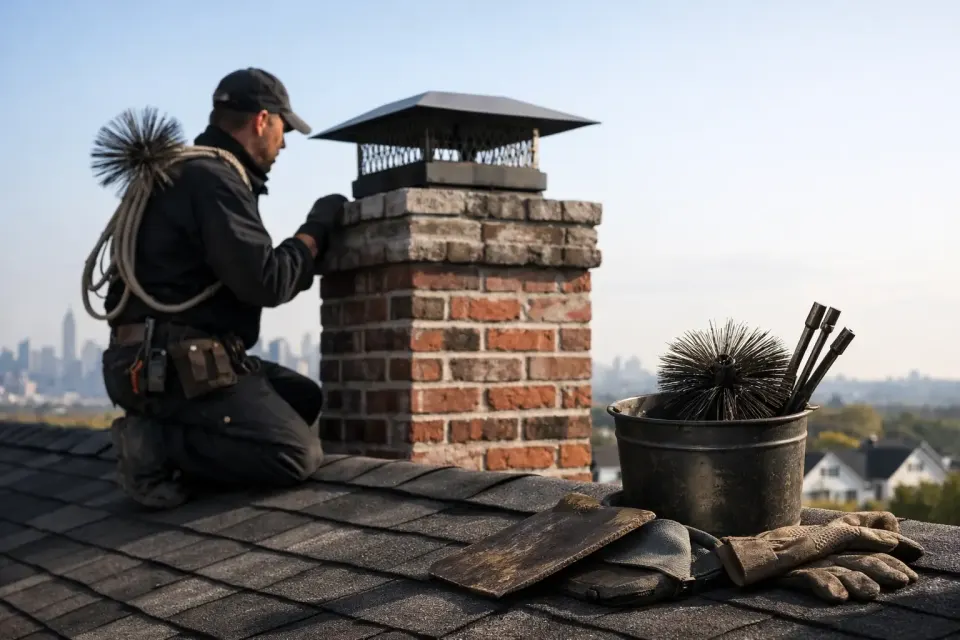
A fireplace that has been sitting unused since last winter can look harmless. Inside the flue, however, soot, creosote, damp debris, or a bird nest may be restricting the path smoke needs to take. Chimney sweep cost is a small consideration compared with the damage a chimney fire, smoke backup, or carbon monoxide concern can cause, but homeowners still deserve a clear idea of what they are paying for before scheduling service.
For homes, condos, rental properties, and small commercial spaces in New York City and New Jersey, the final price depends less on a one-size-fits-all rate and more on the condition, access, and type of chimney involved. A professional should explain those factors clearly, inspect the system, and let you know if cleaning alone is enough.
What Is the Typical Chimney Sweep Cost?
A standard chimney sweeping visit commonly falls in the range of about $150 to $350 for a regularly maintained, accessible residential chimney. That range usually covers cleaning the firebox, smoke chamber, flue, and reachable areas where soot and creosote collect, along with a basic visual check for obvious problems.
The lower end is more likely when the chimney is straightforward, lightly used, easy to access, and cleaned on schedule. The cost can rise when a system has been neglected for several years, has heavy buildup, requires roof access, or has an obstruction that needs to be removed.
Be careful with a price that sounds unusually low but does not explain what is included. A meaningful chimney service is not just a quick pass with a brush. The technician should use professional containment and cleaning equipment, protect the surrounding area, and communicate what was found before recommending additional work.
What Changes the Cost of Chimney Sweeping?
Every chimney has its own layout and maintenance history. These are the details that most often affect a quote.
Creosote and soot buildup
Wood smoke leaves behind creosote, a dark, combustible residue that attaches to chimney walls. Light soot is usually simpler to remove. Thick, glazed creosote takes more time, more specialized tools, and sometimes more than one cleaning method.
If you burn wood often, use wet or unseasoned firewood, or have had slow-burning fires, buildup can be heavier than expected. This is why a chimney that looks clean around the fireplace opening may still need professional attention farther up the flue.
Chimney type and number of flues
A single-flue, open masonry fireplace is generally more straightforward than a property with multiple fireplaces, a wood stove, a furnace flue, or separate chimney liners. Each flue needs to be evaluated and cleaned individually when it is in use.
Gas fireplaces also need inspection and maintenance, even though they produce less soot than wood-burning systems. Birds, damaged liners, venting issues, and blockages can still affect safe operation.
Access and property layout
A chimney on a one-story home with clear roof access may take less setup than one on a tall townhouse, a steep roof, or a building with limited exterior access. In NYC apartment buildings and condos, access coordination, roof rules, elevator scheduling, and management requirements can also affect the service plan.
A professional should account for these conditions upfront instead of adding surprise charges after arriving. Photos, a brief description of the property, and information about the fireplace type can help provide a more accurate starting estimate.
Obstructions, animal nests, and debris
Leaves, broken masonry, nesting material, and loose chimney cap parts can block the flue. Clearing a simple obstruction may be part of the visit, while a major blockage or animal removal situation may require additional service.
A chimney cap is not a decorative extra. It helps keep rain, debris, and wildlife out while allowing smoke to exit. If the cap is missing or damaged, fixing that issue can prevent repeat problems after a cleaning.
Inspection findings
A basic cleaning is not the same as a repair. During service, a technician may find cracked flue tiles, damaged mortar, a rusted damper, water intrusion, or a liner problem. Those conditions should be explained separately, with clear recommendations and pricing before work moves forward.
That distinction matters. Paying for a sweep does not mean you should automatically agree to every repair suggested, but ignoring a documented safety issue can be costly later. Ask what is urgent, what can be monitored, and what the repair is intended to solve.
When Does a Chimney Need More Than Cleaning?
If smoke enters the room, you notice a strong smoky odor when the fireplace is off, see black flakes falling into the firebox, or have trouble getting a fire to draft, schedule an inspection before using the system again. These signs may point to buildup, a blockage, moisture damage, or a venting problem.
A professional cleaning can remove combustible deposits, but it cannot repair structural damage or correct every drafting issue. For example, a cracked liner may need repair or replacement. A chimney with water damage may need masonry work, flashing repair, or a new cap. Those services are separate from the typical chimney sweep cost, and the quote should make that clear.
If there has been a chimney fire, even a small one, do not assume the chimney is safe because the fire went out. Hidden damage inside the flue can make the next fire more dangerous.
How Often Should You Schedule Service?
For most wood-burning fireplaces and stoves, an annual chimney inspection is a practical standard. The need for cleaning depends on use and buildup, but yearly evaluation gives you a chance to catch problems before cold weather arrives.
Frequent users may need cleaning more often. A home that burns wood several nights a week through the heating season will collect deposits faster than a fireplace used only a few times for holidays. New homeowners should also have the chimney checked if they do not know when it was last serviced.
Landlords and property managers should treat chimney maintenance as part of preventive building care. A documented inspection and cleaning schedule can help reduce unexpected tenant complaints about smoke, odors, or fireplace performance.
Questions to Ask Before You Book
Clear answers matter more than a vague promise of a cheap sweep. Before scheduling, ask whether the quoted service includes the firebox and full flue cleaning, basic inspection, cleanup, and removal of normal soot and debris. It is also reasonable to ask how the crew will protect floors and furniture, what happens if heavy creosote or an obstruction is found, and whether approval is required before extra work begins.
Ask for the expected arrival window and how long the appointment usually takes. For a standard residential chimney, the work is often completed in one visit, though heavily neglected systems or access challenges may take longer.
The best value is not always the lowest number on the phone. It is a service that arrives prepared, explains the condition of your chimney honestly, keeps your home clean, and gives you a clear path forward if repairs are needed.
Make Chimney Service Part of Seasonal Home Care
Fall appointments tend to fill quickly because many homeowners wait until the first cold week to think about the fireplace. Booking before the heating season can give you more scheduling flexibility and time to address anything the inspection finds.
If you are already planning dryer vent cleaning or air duct maintenance, it can also be convenient to ask about scheduling services around the same visit. Air Care Technologies helps local property owners keep the systems that affect indoor air and fire safety professionally maintained, without making the process harder than it needs to be.
A clean chimney is not about getting the fireplace ready for a photo. It is about being able to light a fire with more confidence, knowing the smoke has a clear place to go and the system has been checked by a professional.